The Impact of Parent-Child Art Projects on Bonding and Communication
November 17, 2025
- Spark genuine parent-child bonding and open communication through creative art projects with Crestar Learning Centre.
- Our hands-on art sessions nurture confidence, emotional expression, and lasting family memories in a joyful, supportive setting.
In today’s fast-paced, tech-driven world, quality time between parents and children can easily be sidelined. Amidst school, work, and digital distractions, finding meaningful ways to connect is more important than ever. One surprisingly powerful tool for nurturing these connections is art.
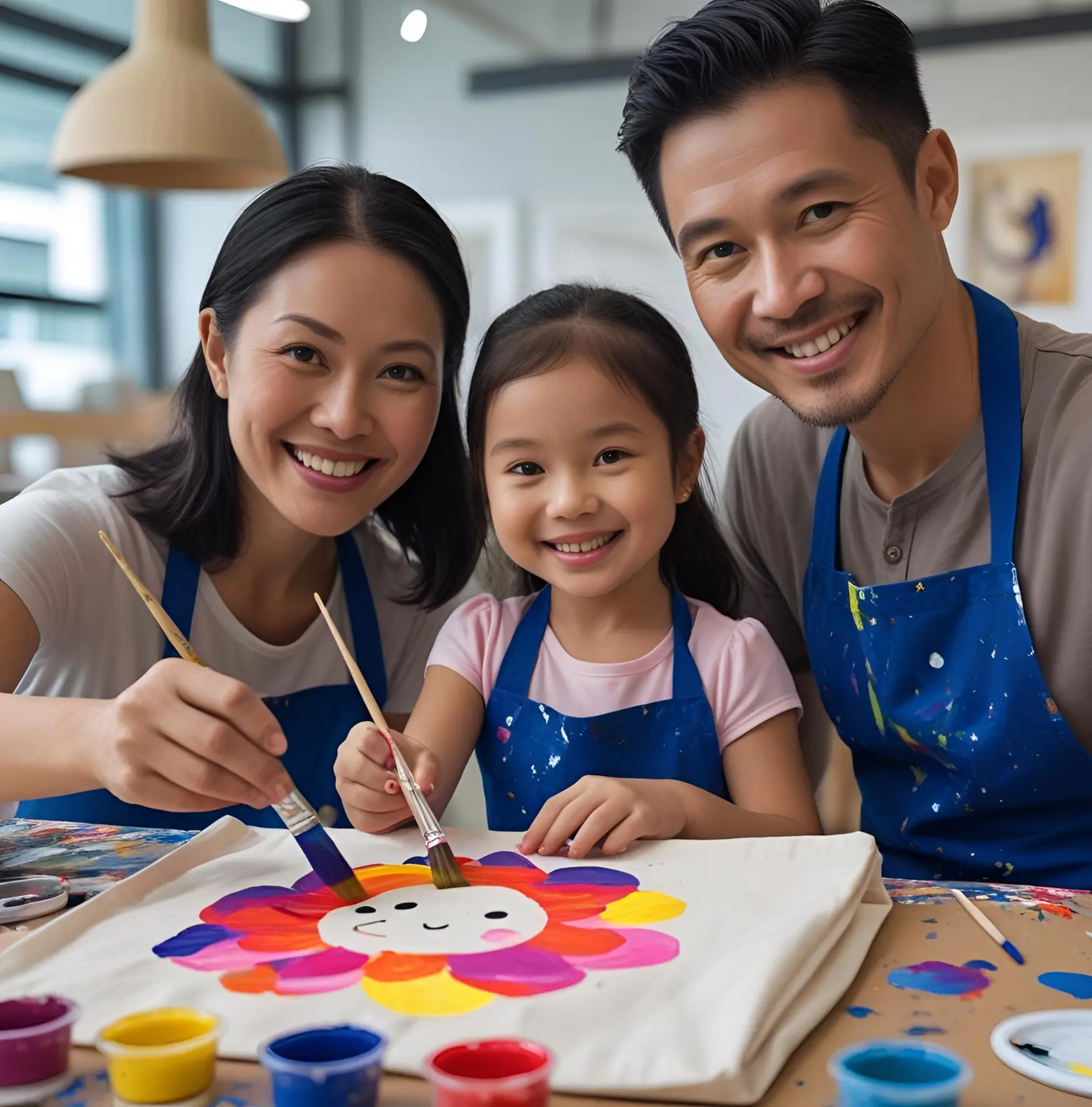
Engaging in creative projects together—whether painting, crafting, or sculpting—goes beyond fun. It opens doors to emotional bonding, communication, and mutual understanding, helping families grow closer in ways that words alone often can’t achieve.
Special occasions like birthdays can also become meaningful opportunities for creativity.
Our Birthday Art Jamming sessions are designed to let parents, children and their friends share the joy of creating together, turning celebrations into moments of connection and laughter.
Strengthening Emotional Bonds Through Creativity
Art-making naturally fosters emotional closeness. When parents participate in their child’s imaginative world, they validate their child’s experiences and emotions.
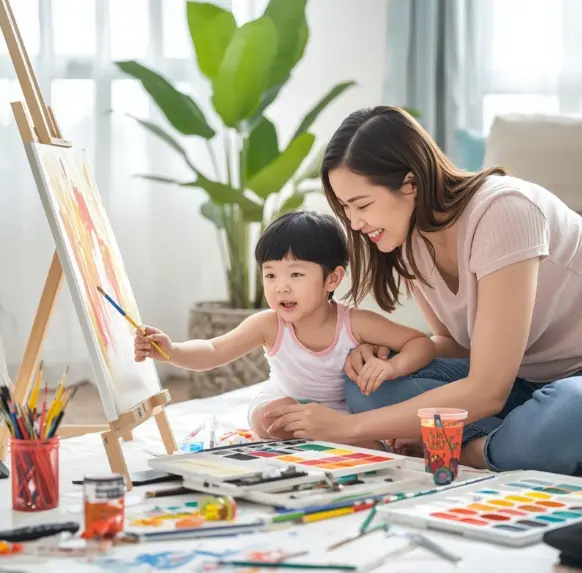
These shared moments can trigger the release of oxytocin, the hormone linked to bonding and trust. The relaxed, playful atmosphere of art-making reduces stress and encourages genuine connection. Over time, these small but meaningful interactions contribute to a stronger, more secure parent-child relationship.
In fact, parent–child art workshops during school holidays for example, are a great way to deepen these bonds through shared creativity.
Encouraging Communication and Emotional Expression
For children, especially those who struggle to articulate their feelings, art becomes a powerful outlet. Through drawings, colours, and symbols, they can express joy, sadness, curiosity, or anxiety. Parents who take time to observe and discuss their child’s artwork often uncover valuable emotional cues.
Conversations sparked by art—such as “Why did you choose this colour?” or “Tell me about this character”—can lead to deeper discussions. This indirect form of communication helps children feel safe opening up, even about difficult topics.
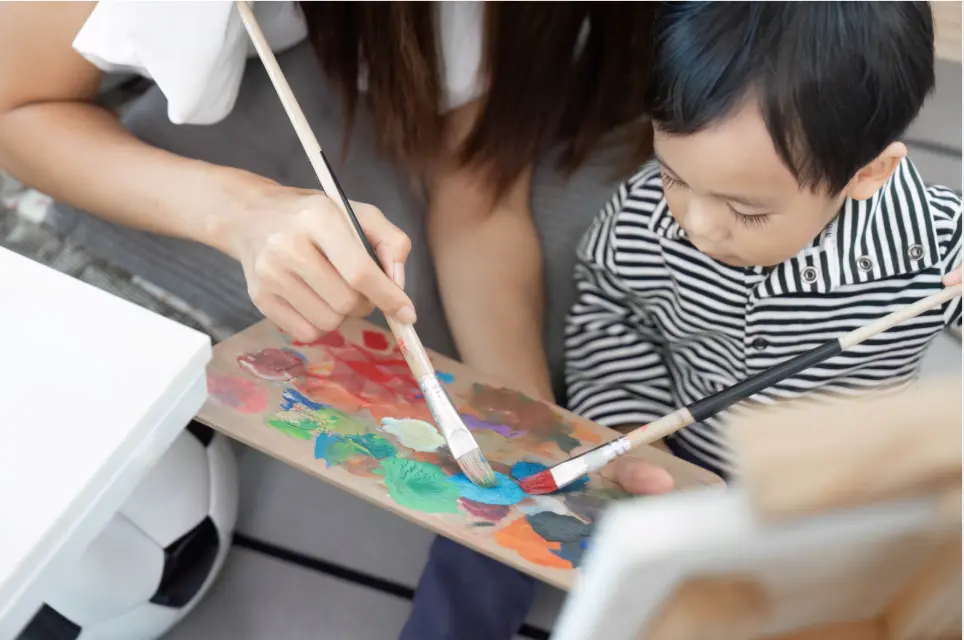
Fostering Collaboration and Confidence
Joint art projects also teach essential life skills. Working together on a mural, sculpture, or collage encourages cooperation, patience, and problem-solving. Children learn to share ideas, compromise, and respect different viewpoints.
When parents model encouragement and constructive feedback, children build confidence and resilience. Celebrating each other’s creativity reinforces a family culture of support, where effort is valued over perfection.
Simple Ways to Bring Art into Family Life
You don’t need to be an artist or invest in expensive supplies. What matters is consistency and intention. Here are a few easy ways to make art a regular part of your family routine:
- Family Art Nights: Set aside one evening a week for painting, crafting, or making seasonal decorations.
- Collaborative Projects: Create a family scrapbook, mural, or storybook where everyone contributes.
- Nature-Inspired Art: Use leaves, stones, or flowers collected during walks to make collages or sculptures.
- Story Art: Encourage children to illustrate scenes from family stories or favorite books to spark imagination and dialogue.
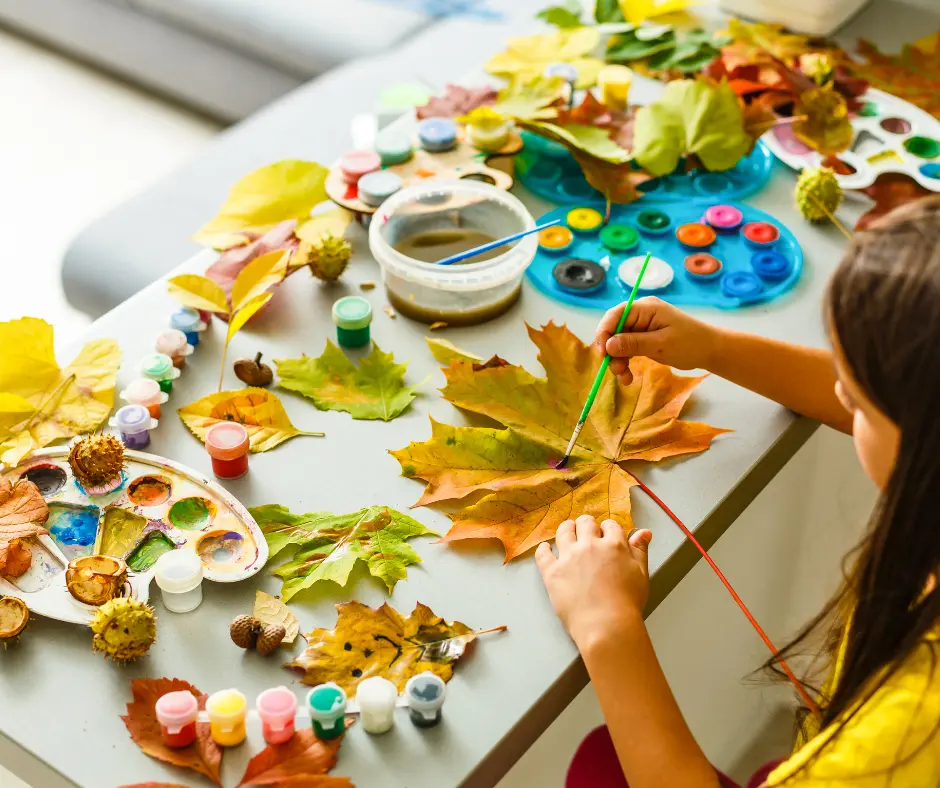
The goal isn’t to produce perfect art—it’s to enjoy the process of creating and connecting.
Conclusion: The True Masterpiece Is Connection
Parent-child art projects are more than creative play—they’re opportunities to build emotional bridges, foster communication, and create lasting memories. In a world that often pulls families in different directions, art brings them back together.
Ultimately, the most beautiful creation isn’t the artwork itself—it’s the bond that forms in the process of making it.