How Drama Helps Children Learn Chinese Faster and More Effectively
December 8, 2025
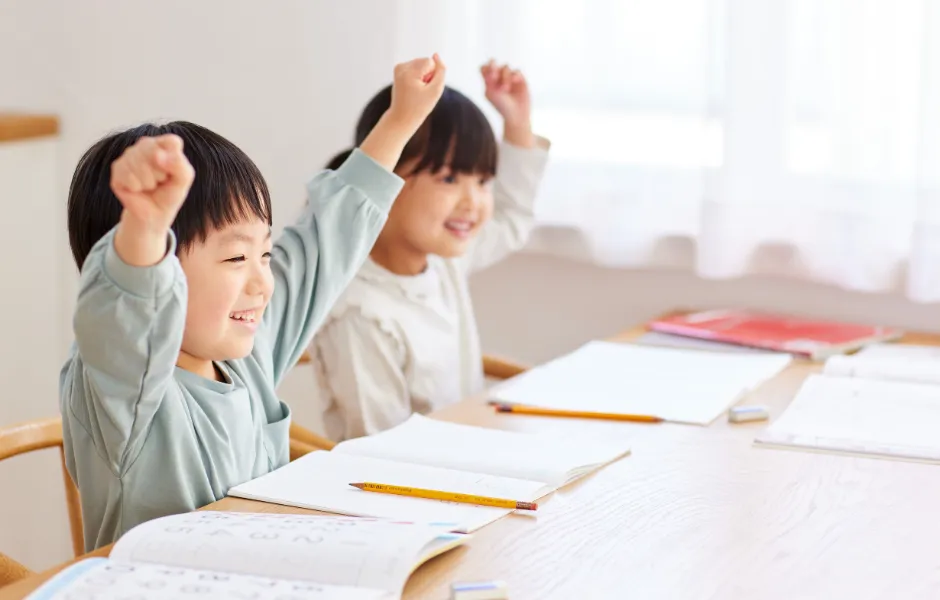
Learning a new language can feel like a chore when it’s reduced to drills and memorization. For children, boredom is the biggest barrier to progress. Drama flips that challenge on its head — transforming language learning into an engaging, playful experience where Chinese is not just studied but lived. Through role-play and performance, children absorb the language naturally and joyfully.
1. Drama turns passive learning into active communication
Instead of memorizing vocabulary lists or filling out worksheets, drama requires children to use Chinese in real conversations. They speak, express emotions, and interact with peers — all essential elements of authentic communication. A language is only truly mastered when it’s spoken, and drama creates countless opportunities for that.
2. Actions + Context + Lines = Stronger Memory
Drama combines movement, facial expressions, and storylines, creating a multi-sensory experience. These physical and emotional cues help words “stick” in the brain. That’s why children often recall their lines better than textbook passages — because they learned them in context, not isolation.
3. Drama builds confidence and reduces fear
Many children hesitate to speak Chinese for fear of mistakes. Drama changes that dynamic. When they “play a role,” the pressure disappears — they’re not being judged, they’re performing. This safe environment encourages them to speak more often, and every attempt accelerates progress.

Drama removes the fear of mistakes by turning speaking Chinese into a fun, low-pressure role-play, boosting confidence and fluency.
4. Joyful learning strengthens retention
Emotions are powerful memory boosters. Drama immerses children in feelings of joy, surprise, tension, and anticipation. These emotional highs make Chinese words and phrases linger longer in memory and fade more slowly than rote learning ever could.
5. Drama builds expressive power — the core of language learning
Drama isn’t just about reciting lines. It trains children to organize thoughts, express ideas logically, and use voice and intonation effectively. These skills build confidence and enhance oral fluency, while also supporting reading comprehension and writing ability.
Drama transforms Chinese learning from a task into an adventure. It engages the mind, body, and emotions, making language acquisition faster, deeper, and more enjoyable. When children learn through play and performance, they don’t just memorize words — they own the language.
戏剧如何帮助孩子更快、更有效地学习中文
当语言学习被简化为机械操练和死记硬背时,很容易变成一件苦差事。对孩子来说,无聊是学习进步的最大障碍。而戏剧正好颠覆了这一点——它把语言学习转变为一种有趣、投入、充满参与感的体验,让中文不再只是“要考试的知识”,而是“真正能够运用的语言”。通过角色扮演和舞台表演,孩子能够在自然、愉快的过程中学习华文。
1. 戏剧让被动学习变为主动交流
与其死记词汇表或填写练习册,戏剧要求孩子在真实情境中使用中文进行交流。他们需要开口说话、表达情绪、与同伴互动——而这些正是真正语言交流的核心要素。一门语言只有被说出来,才能真正被掌握,而戏剧正好创造了大量开口说华文的机会。
2. 动作 + 情境 + 台词 = 更牢固的记忆
戏剧融合了肢体动作、面部表情和故事情节,形成多感官学习体验。这些身体和情绪线索能帮助词汇更牢固地“留”在大脑中。因此,孩子往往记得住自己的台词,却记不住课本上的段落——因为他们是在情境中学习,而不是死记硬背。
3. 戏剧建立自信,减少开口恐惧
许多孩子因为害怕犯错而不敢说华文,而戏剧恰恰改变了这种情况。当孩子“进入角色”时,心理压力自然减轻——他们不是在被评判,而是在表演。这样安全、轻松的环境鼓励孩子多开口,而每一次尝试都会加快华文进步。
戏剧通过轻松、有趣的角色扮演,消除了说华文时对犯错的恐惧,大幅提升了孩子的自信与流利度。
戏剧方法能够使孩子们从害怕犯错,不敢讲华文的畏难情绪中解放出来,通过轻松有趣的角色扮演,孩子们从而能够更好更自信地运用华文.
4. 快乐的学习更容易被长期记住
情绪是记忆最强有力的催化剂。戏剧让孩子沉浸在快乐、惊喜、紧张和期待等情绪之中。这些情绪高点让华文词汇和句子在记忆中停留得更久,也比死记硬背更不容易遗忘。
5. 戏剧培养语言表达力——语言学习的核心能力
戏剧不仅仅是背台词。它训练孩子组织思路、清晰表达想法,并有效运用语音语调。这些能力不仅增强口语表达和自信心,同时也反哺阅读理解和写作能力。
总结
戏剧把华文学习从一项任务,转变成一场冒险。它同时调动孩子的大脑、身体和情绪,让语言习得更快、更深刻,也更有乐趣。当孩子通过游戏和表演来学习时,他们不只是记住词汇,而是真正“拥有”了这门语言。