The Importance of Non-Academic Skills in a Child’s Growth
January 28, 2026
When it comes to raising children, many parents instinctively prioritise academic success—top schools, high grades, and strong exam results. But raising a confident, well-rounded and adaptable child calls for more than academic achievements.
As expectations evolve alongside the world around us, essential non-academic skills—such as communication, creativity, emotional intelligence, and leadership—play a vital role in shaping your child’s ability to thrive not just in school, but in life. These skills form the foundation for social development, problem-solving and emotional wellbeing, which are critical in navigating the increasingly complex demands of today’s world.
This is where an enrichment centre in Singapore can offer a supportive space to nurture these abilities through guided programmes tailored to their developmental needs.
Introduction
Children today grow up in an environment shaped by rapid technological advancement, shifting social norms, and global interconnectedness. As a result, the traditional measures of success—grades and test scores—are no longer sufficient in preparing them for the challenges of adulthood.
Soft skills, sometimes referred to as non-academic competencies, are increasingly recognised by educators and psychologists as key indicators of a child’s long-term potential. These include abilities like empathy, collaboration, adaptability and creative thinking. When paired with academic learning, they help children think more holistically, communicate more effectively and interact more meaningfully with others.
For example, a child who learns to regulate emotions or work well in a team is more likely to succeed in school projects, build stronger relationships and navigate difficult situations with resilience. These benefits extend into adolescence and adulthood, influencing job readiness, emotional health, and personal fulfilment.
Why Emotional Intelligence Matters
Emotional intelligence is the ability to recognise, understand and manage emotions—both one’s own and those of others. It begins developing in early childhood and continues evolving with age, especially when nurtured through intentional guidance and experiences.
Children with high emotional intelligence tend to exhibit greater self-awareness, stronger interpersonal relationships, and improved resilience during challenging situations. For instance, a child who understands disappointment or frustration can express their feelings constructively rather than acting out or withdrawing.
This emotional regulation is essential in everyday contexts—whether calming themselves after losing a game, sympathising with a classmate, or asking for help when they’re overwhelmed. Teaching empathy also helps children recognise that others may experience the world differently, building kindness, tolerance and curiosity.
Moreover, emotional intelligence correlates positively with academic performance. A child who feels secure and supported is better able to concentrate, absorb new information and engage productively in a classroom setting.
The Role of Communication and Teamwork in Child Development
Strong communication skills go far beyond speaking clearly. They encompass active listening, body language awareness, emotional expression and the ability to respond thoughtfully to others. Children who learn to communicate effectively can share ideas confidently, resolve misunderstandings calmly, and collaborate meaningfully.
Teamwork is closely intertwined with communication. Participating in group activities—such as classroom projects, sports or drama performances—requires children to cooperate, compromise and value others’ contributions. These experiences teach patience, respect and conflict resolution in ways that individual learning may not offer.
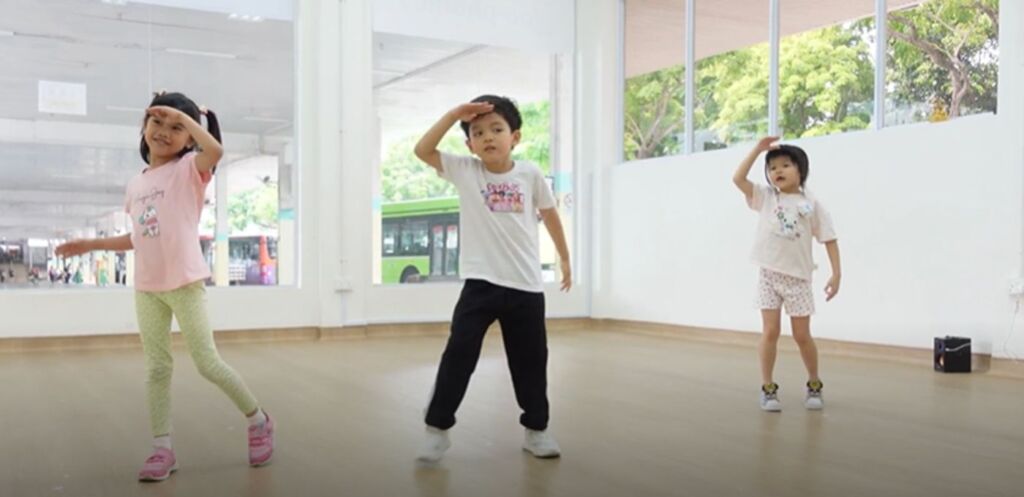
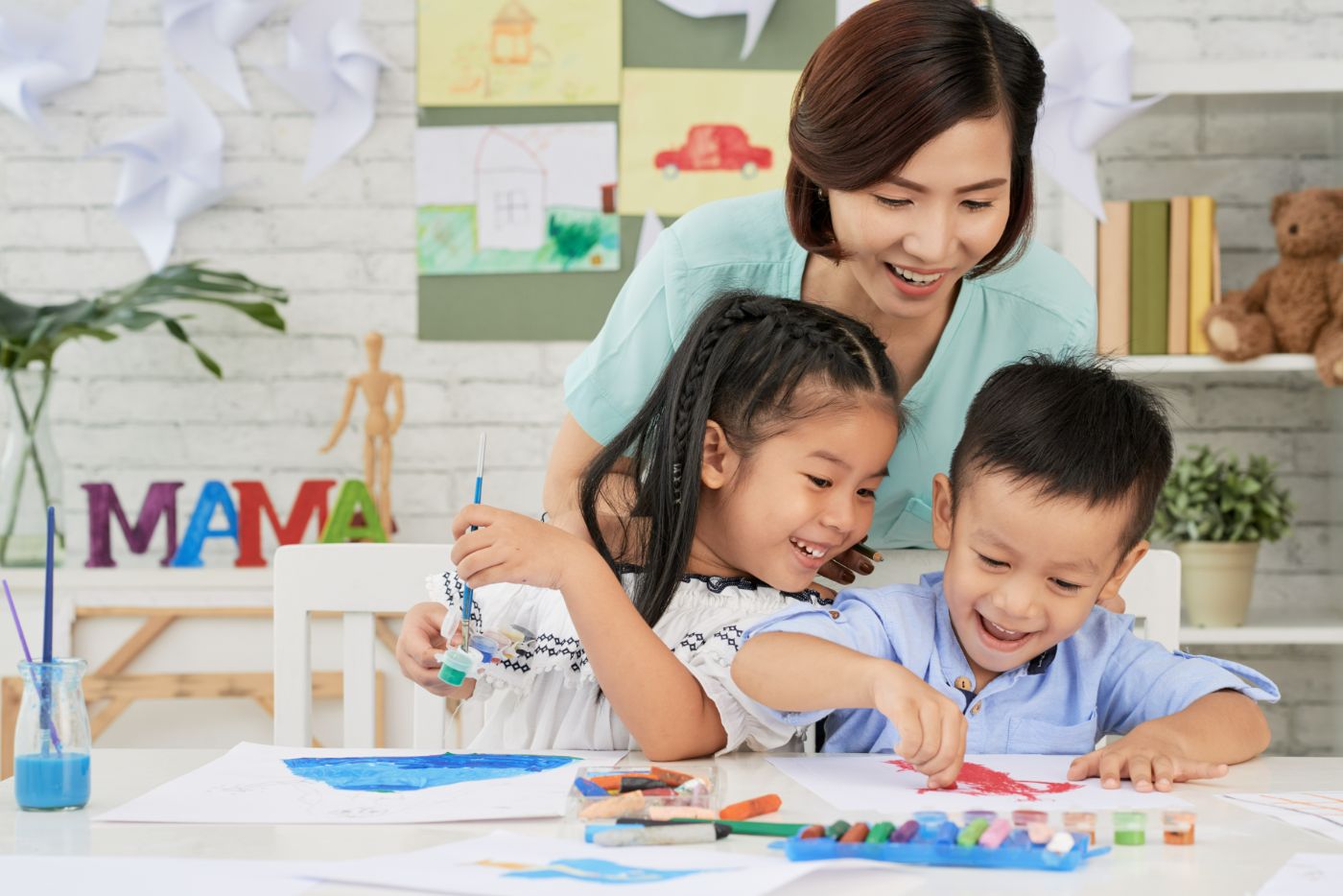
Enrichment centres in Singapore often incorporate structured group activities designed to enhance these interpersonal skills. From paired art projects to small group activities/ performances, children gain the chance to practice collaboration in safe, guided environments.
Such skills are especially beneficial as children transition into larger educational settings like primary or secondary school, where teamwork becomes an everyday reality.
Help your child blossom through enriching experiences — discover our enrichment programmes designed to nurture teamwork, confidence and communication.
Leadership and Problem-Solving Skills
Leadership in childhood is not about dominating or being the loudest in the room. It is about learning to take initiative, make responsible decisions and inspire others through empathy and integrity. Children often begin demonstrating leadership in subtle ways: volunteering to lead a game, helping a peer, or suggesting a solution during a classroom challenge.
As children gain more leadership experience, they simultaneously develop problem-solving skills. These help them explore options, evaluate consequences and approach setbacks with confidence rather than fear. Encouraging children to solve problems independently—whether choosing which art materials to use or figuring out how to share toys—empowers them to become resourceful and resilient.
An enrichment centre plays a vital role here, offering low-pressure opportunities for children to lead and solve problems creatively. Guided support from trained educators ensures that each challenge becomes a learning moment rather than a source of frustration.
How Creativity and Imagination Enhance Cognitive Growth
Creativity is not confined to painting or musical play—it’s a way of thinking that fosters flexibility, innovation and open-minded exploration. When children engage in imaginative activities, they activate different parts of the brain involved in language, emotion, and critical thinking.
For example, role-play helps children practise real-world situations—pretending to be a teacher, doctor, or explorer allows them to develop storytelling abilities, emotional intelligence and perspective-taking. Likewise, creative projects like crafting or dance composition boost neural connectivity and encourage focus, experimentation and persistence.
These cognitive gains also support academic learning. A child who thinks creatively is better equipped to solve math problems in different ways or write compelling stories in language class. Creativity helps children adapt to new situations, a skill that becomes increasingly important in today’s fast-changing world.
Enrichment centres in Singapore often curate experiences that emphasise holistic creative development, using play-based methods that feel enjoyable while delivering cognitive and emotional benefits.
Build Your Child’s Future at Crestar Learning Centre: A Top Enrichment Centre in Singapore
Nurturing non-academic skills helps shape confident, curious, and compassionate individuals—ready to thrive on their own unique paths. Whether expressing themselves with clarity or solving problems through creative thinking, these qualities lay the foundation for long-term success.
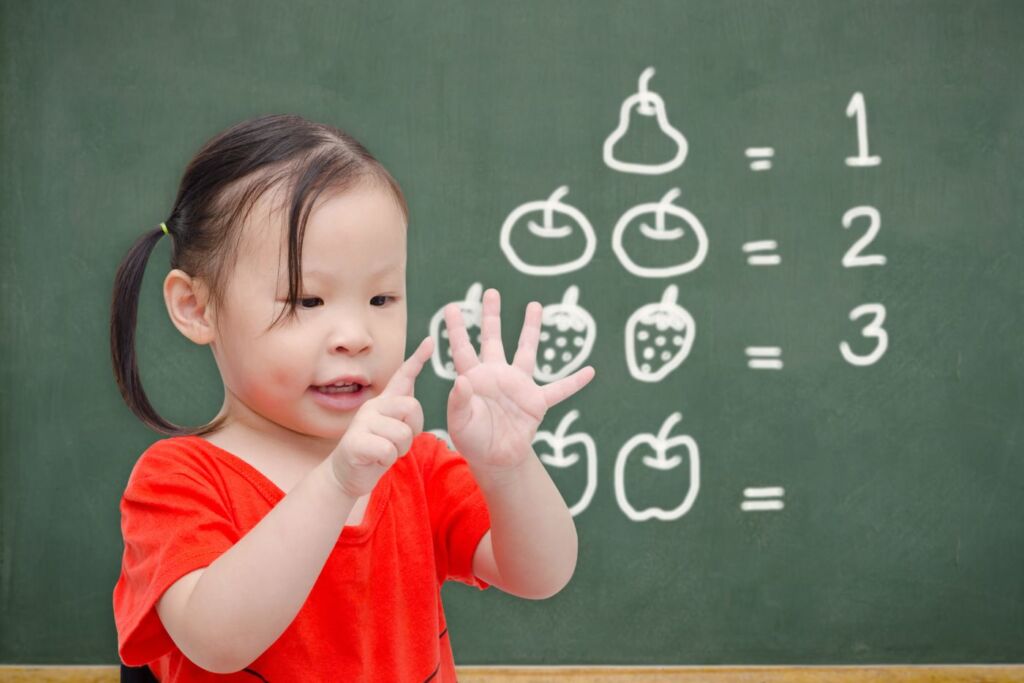
At Crestar Learning Centre in Singapore, our trusted enrichment programmes (such as Art, Abacus & Mental Arithmetic, Math) are designed to guide your child through these important stages—building key life skills through arts, communication and joyful learning. Speak to us today and begin your child’s journey with confidence.