
Jazz Dance and Musicality: Helping Kids Hear the Beat
November 2, 2026
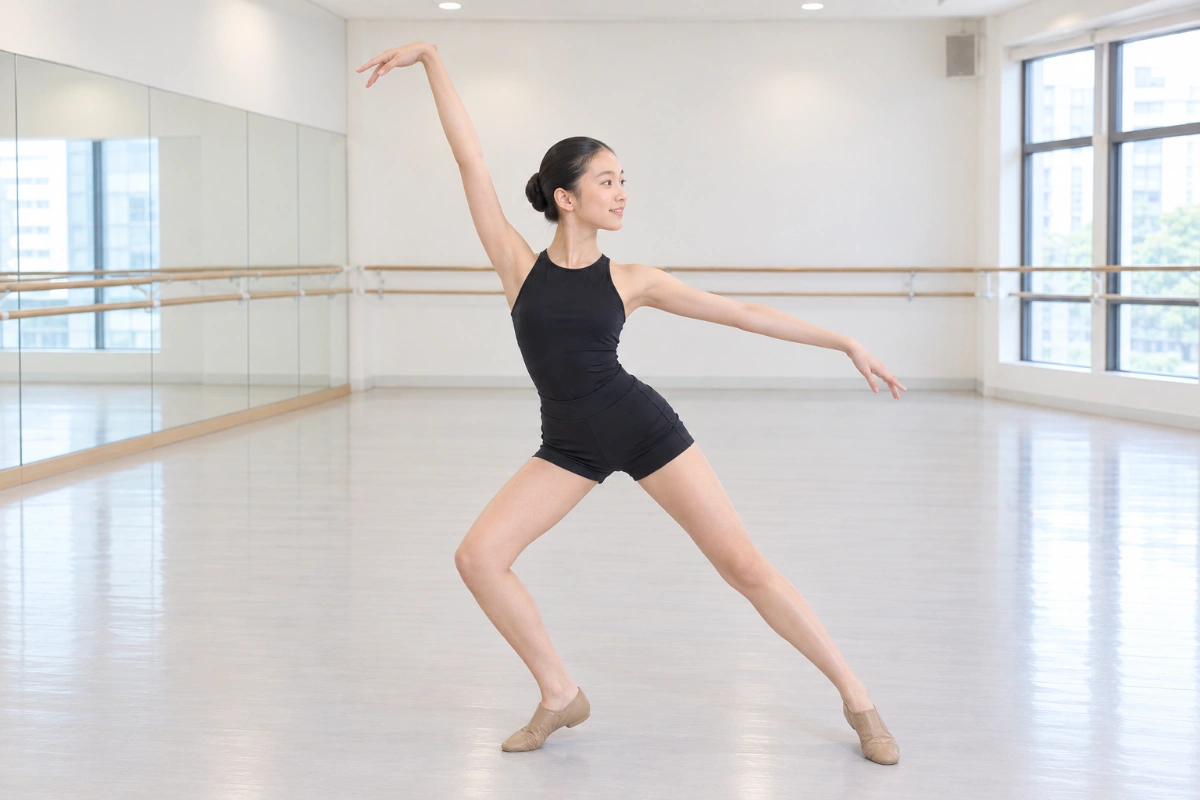
When children first start dancing, they often focus on learning the steps. But great dancers do more than remember choreography. They learn to listen, interpret, and move with the music. This connection between movement and sound is known as musicality, and it is one of the most valuable skills young dancers can develop.
Jazz dance, with its energetic rhythms, dynamic movements, and expressive style, provides an excellent foundation for helping children develop a stronger sense of musicality.
What Is Musicality?
Musicality is a dancer’s ability to hear, understand, and respond to music through movement. It involves recognising beats, rhythms, tempo changes, and musical accents, then expressing them physically.
Rather than simply counting steps, dancers with strong musicality can:
- Stay in time with the music
- Recognise rhythm patterns
- Respond to changes in tempo and dynamics
- Express different moods and emotions through movement
Musicality is what transforms dance from a series of movements into a performance that feels engaging and expressive.
How Jazz Dance Develops Musicality
Learning to Feel the Beat
One of the first skills children develop in jazz classes is recognising and moving to a steady beat.
Through activities such as clapping rhythms, marching, and simple dance combinations, students learn how movements align with musical counts. This strengthens timing, coordination, and confidence.
Understanding Rhythm and Timing
Jazz choreography introduces dancers to a variety of rhythms, from sharp accents and quick footwork to smooth, flowing movements.
As children practise these patterns, they learn to listen more carefully and respond more accurately to the music, building stronger musical awareness over time.
Responding to the Music
Music can change in speed, energy, and mood. Jazz dance encourages children to recognise these changes and adapt their movements accordingly.
A strong, energetic section may call for bold movements, while a softer passage may require more control and fluidity. This helps young dancers become more expressive performers.
Encouraging Creativity and Expression
Musicality is about more than keeping time. It’s also about communicating what the music feels like.
Through exercises, choreography, and performances, children learn to connect with the music, express themselves confidently, and develop their own artistic voice.
Building a Lifelong Love of Music and Dance
One of the greatest benefits of jazz dance is that it helps children experience music in an active and meaningful way. Instead of simply listening, they learn to feel the rhythm, understand the beat, and express it through movement.
Ready to help your child build confidence, musicality, and a love for dance? Join us for a Jazz trial class at Crestar School of Dance here and let them discover the joy of moving to the music!
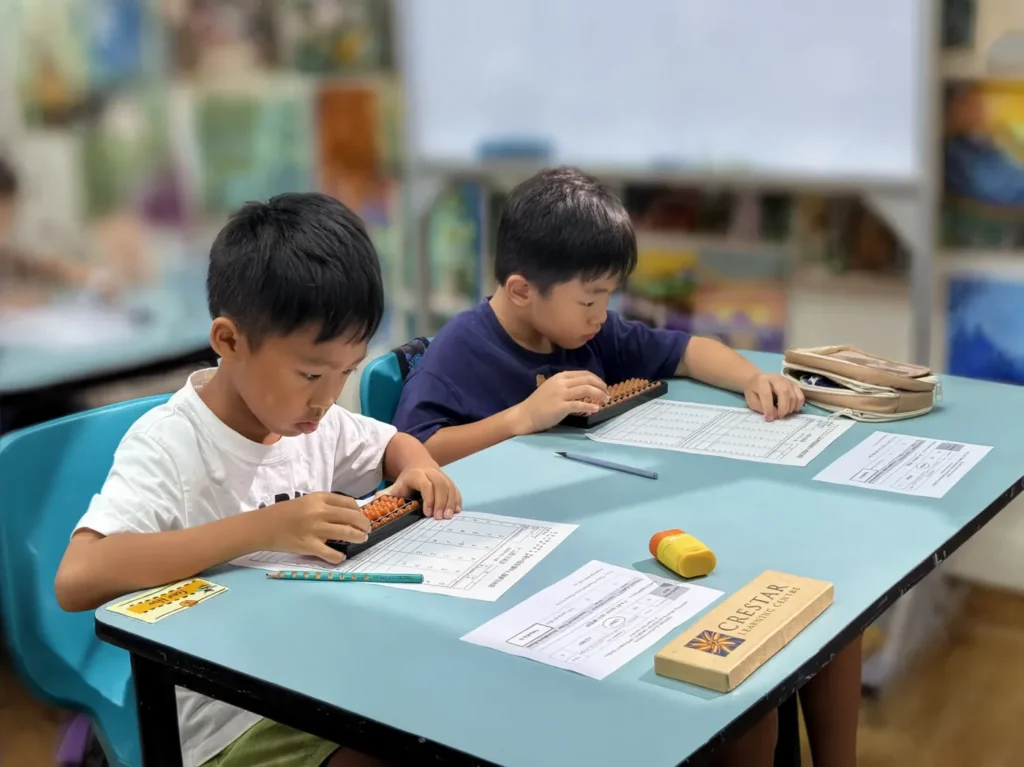 Beyond Numbers: How Abacus Builds Focus and Discipline in Children