Abacus vs Traditional Math Tuition: What’s the Difference?
April 22, 2026
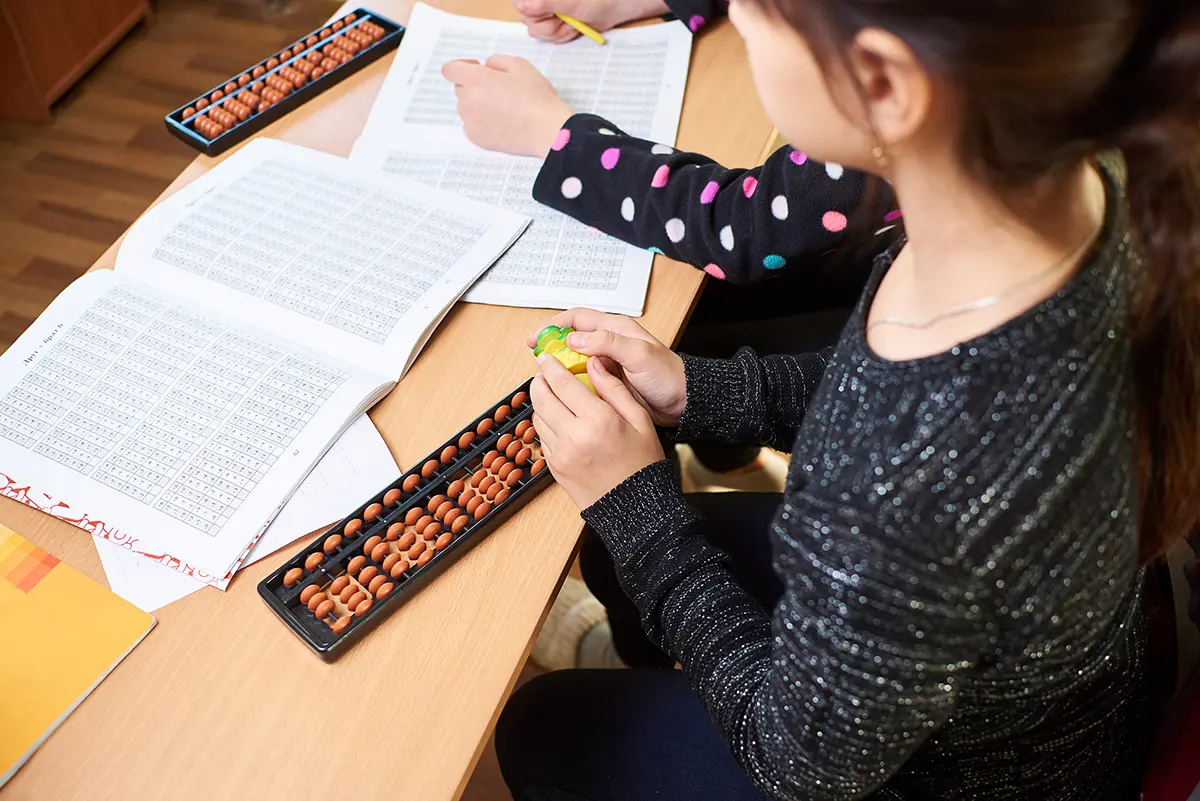
Hands-on abacus drills sit side by side with written worksheets, showing how speed practice and syllabus work can complement each other.
Summary:
- Abacus classes turn bead patterns into vivid mental images, helping children feel numbers with their senses. This boosts calculation speed, memory, and creativity in a joyful, confidence-building way.
- Traditional maths tuition follows the Ministry of Education syllabus closely, revisiting topics weekly to fix errors quickly and teach clear problem-solving steps that exams reward.
- Think of the abacus as the engine for fast, accurate sums, and tuition as the roadmap for logic, strategy, and exam skills.
- Start abacus at age 4, add tuition by Primary 2, and continue both until Primary 5 for a steady journey toward confident, high-scoring maths.
Parents comparing traditional maths tuition and abacus classes for kids in Singapore will soon see that these 2 approaches treat numbers very differently. Abacus lessons give children a sensory, rhythm-based workout that strengthens mental arithmetic reflexes, while maths tuition offers structured academic support aligned with the MOE syllabus to prepare pupils for exams with confidence.
What Is Abacus & Mental Arithmetic?
Abacus & mental arithmetic is a hands-on system that nurtures number sense through sight, touch, and rhythm. Children slide beads representing units, tens, hundreds, and thousands, then move them to add, subtract, multiply, or divide.
In abacus classes for kids in Singapore, tutors soon encourage pupils to “fade out” the physical frame. They perform 3- or 4-digit sums using rapid mental visualisation instead of written steps. This lively blend of movement and imagination sharpens memory, focus, and mental arithmetic speed — key skills for tackling more complex maths with ease.
What Is Traditional Math Tuition?
Traditional maths tuition mirrors classroom teaching but adds personalised guidance. Lessons follow the MOE syllabus week by week, revisiting topics like fractions while still fresh in pupils’ minds.
Tutors support pupils by:
- Breaking down tricky ideas into clear, manageable steps
- Modelling worked examples and highlighting common pitfalls
- Setting targeted worksheets, marking them quickly, and filling gaps
Quality centres make lessons engaging through:
- Logic games that turn geometry into fun tower-building challenges
- Friendly mental-arithmetic races to boost speed and confidence.
Key Differences Between Abacus and Maths Tuition
Understanding how each approach teaches, what it values, and whether it relies on mental agility or written methods helps you choose the right fit for your child.
Teaching Approach
Abacus classes are concept-first. Pupils slide beads to grasp place value and complements of 10, creating vivid mental images before memorising terms. This hands-on path builds a strong numeracy foundation and powers fast mental arithmetic.
Traditional maths tuition is syllabus-driven. Lessons follow school chapters in order, using notes and worksheets. This structured path keeps homework on track and prepares pupils well for MOE assessments.
Speed vs Problem-Solving Focus
Abacus classes train pupils to calculate quickly and accurately, often using timed challenges. Tuition, by contrast, teaches students to break down word problems, select the best method, and write clear working steps.
Use of Mental Visualisation vs Written Methods
Abacus learners picture bead patterns and move them mentally, boosting spatial memory and pace. Tuition leans on written workings, rehearsing line-by-line solutions that MOE markers expect.
How Abacus Develops the Brain Differently
Abacus practice blends movement, rhythm, and visual imagery, activating brain areas that traditional pen-and-paper sums rarely engage.
Memory, Concentration, and Visualisation
Abacus drills challenge working memory to hold running totals while new numbers appear. The steady bead rhythm keeps attention focused for minutes. Over time, children mentally capture a 4-digit sum in one snapshot, improving focus, calculation speed, and even reading and observation skills.
Left and Right Brain Engagement
Brain imaging studies show seasoned abacus users activate both hemispheres: the left manages step-by-step logic, while the right creates dynamic bead images. This balanced workout pairs sharp analytical thinking with vivid creativity.
How Traditional Maths Tuition Supports Academic Performance
A strong tuition programme revisits topics frequently, corrects errors before they settle, and trains pupils to score marks efficiently under exam pressure.
Reinforcement of School Topics
Weekly tuition reviews each classroom lesson within 7 days, keeping decimals, fractions, and algebra fresh. Fast feedback closes gaps early, so pupils stay prepared for school. Quick quizzes mirror MOE test formats, turning exam day into familiar territory rather than a daunting challenge.
Exam Techniques and Homework Support
In crowded classrooms, teachers can miss recurring errors. Tutors spot and drill away mistakes, such as bar-model slips. Tuition also builds exam skills like timing, unit checking, and habits that prevent careless errors — transforming homework from confusion into confident practice.
Is your child still counting on fingers while word problems pile up?
Left unchecked, slow sums and unanswered homework can erode confidence fast.
Contact us to explore a personalised plan that closes gaps and turns maths into your child’s new strength.
Which Is Better for Your Child’s Age and Learning Style?
Traditional tuition works as a reliable safety net, keeping school maths current, closing gaps fast, and preparing pupils for high-stakes tests.
Preschool vs Primary School Children
Children aged 4–6 flourish with abacus practice; the rhythmic tap of beads keeps short attention spans engaged. By Primary 2, the syllabus gets heavier, and word problems increase, so tuition aligned with school pacing often offers clearer support.
Fast Learners vs Children Needing Confidence Building
Fast learners enjoy abacus drills like a race, shaving seconds off personal records. This thrill drives mental arithmetic beyond classroom speed — ideal maths enrichment for sharp minds.
Children who lack confidence take a different route. Sliding beads deliver quick wins, sometimes allowing them to total 3-digit numbers before a parent can tap them on a calculator. These early successes ease maths anxiety, build a sturdy numeracy base, and make later syllabus tuition feel less daunting.
Can Abacus and Maths Tuition Be Taken Together?
Yes. Many top pupils in Singapore follow a dual track. Abacus sharpens speed and accuracy, while tuition builds logic and application.
Together, they form a built-in safety net: quick mental sums secure the right total, and tuition confirms the correct problem model or approach.
For a smooth progression, follow this recommended timeline:
- Age 4: Begin abacus to build a strong numeracy foundation and boost mental arithmetic speed.
- Primary 2: Add tuition as word problems and bar models enter the MOE syllabus.
- Primary 3–5: Continue both, then gradually reduce abacus as exam-focused revision begins.
Unlock Your Child’s Maths Potential with Crestar Learning Centre
At Crestar Learning Centre, we blend lively abacus sessions (developed exclusively by our abacus experts from Taiwan), so pupils gain both lightning-fast calculation and exam-ready reasoning.
Our small groups allow teachers to tailor lessons to your child’s strengths and areas for growth — turning effort into clear progress and joy in learning.
Contact us today and see just how we can support your child’s growth journey.